- Get started
- Learn the Program
On this page

Giving monthly helps us invest in impactful projects. Donate today to help more people live well with MS.
Donate Now
Don’t miss the latest news, tips & resources
Subscribe now
“I treat exercise like a daily medicine”
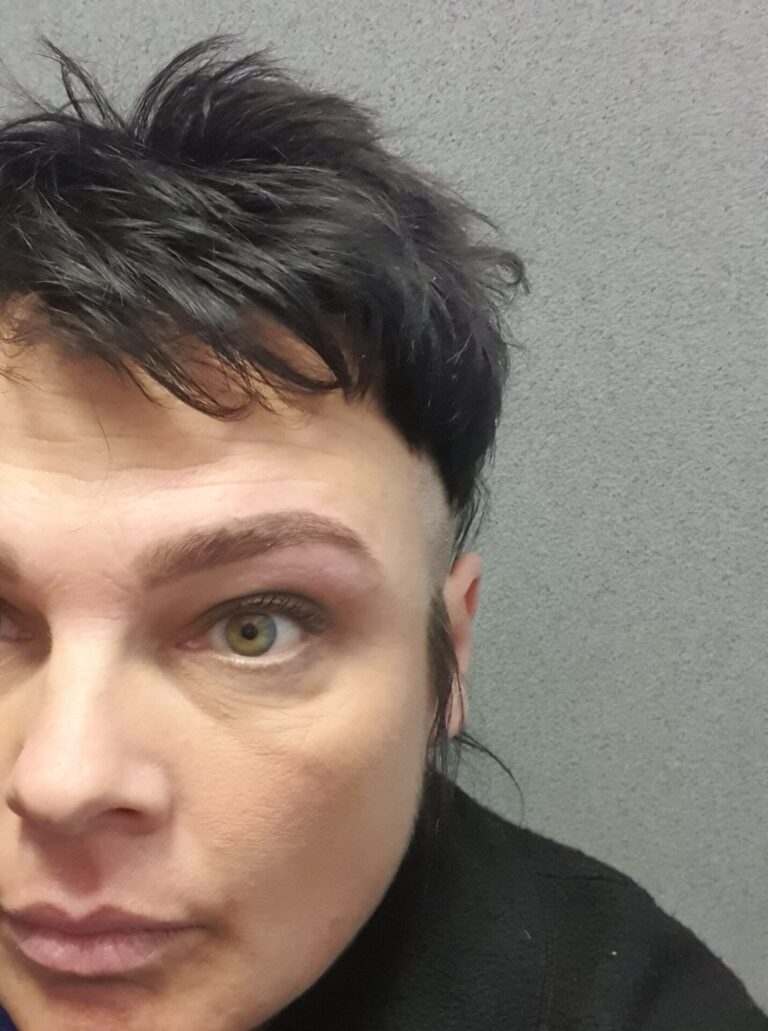
Azhi lives in Kurdistan and works as an educator and graphic designer. Diagnosed with MS in 2014, he shares how physical activity, lifestyle changes and consistency have helped him feel more in control of his health.
Giving monthly helps us invest in impactful projects. Donate today to help more people live well with MS.
Donate Now My journey with MS has been a long lesson in resilience. It began in 1998, although my official MS diagnosis did not come until 2014 following a severe relapse, which mainly affected my vision and bladder.
For a while, I went through a period of what I call neglect. I did not want to see myself as sick. I tried not to think too much about MS or what it might mean for my future. But in 2022, after another relapse, I realised I needed to face reality. Ignoring it was not helping me. That was when I decided to fully embrace Overcoming MS.
Choosing exercise
Before I was diagnosed with MS, I enjoyed swimming. Later, when I travelled to Germany to confirm my diagnosis, I was encouraged to make changes to my lifestyle, including going to the gym, training regularly and motivating myself to stay active.
I treat exercise like a daily medicine. The gym has helped me rebuild confidence. It has given me a routine, a focus and a sense of control.
I have never liked to see myself as sick. But sometimes weakness in my hands and legs forced me to remember that MS was there. For me, physical activity became a way to transform weakness into strength. I train five days a week because I want to keep my body moving and keep my nerves and muscles communicating as well as they can.
I know everyone with MS is different. Not everyone can train in the same way, and not every day is the same. But I believe movement can begin wherever you are. My advice to anyone who feels physically limited is: start with what you can do, not what you cannot do.
Treat exercise like learning a new language. At first, you only need one word. Then, with time, you can build from there. Even five minutes of movement is a beginning.
A change in mindset
The biggest change for me was mental. After my relapse in 2022, I realised that ignoring the problem was not strength. Facing it was. I moved from feeling like a victim to feeling like the leader of my own health.
That does not mean every day is easy. There are days when I feel tired. But when fatigue comes, I try not to automatically blame MS. Sometimes I see it as normal exhaustion from work, training or daily life.
On difficult days, I may adjust the intensity of what I do. But I still try to show up in some way. I listen to my body, but I do not want fear to decide my future.
Building a routine
Consistency has become one of the most important parts of how I live with MS. I follow my doctor’s advice and use medication as part of protecting my health. But my daily routine is also very important to me.
Training is one part of that routine and so is food. I focus on eating nutrient-dense whole foods such as beetroot, broccoli and fish. For me, these are not just meals. They are part of how I look after myself. They help me feel that I am giving my body what it needs to recover, repair and stay strong.
The Overcoming MS Program has helped me bring those choices together. Exercise, food, mindset and medical advice all play a part.
Looking to the future
I do not want to live in fear of the future. I believe that one day science will find a cure for MS. Until then, I want to live with hope and do what I can to support my health.
For me, living with MS is not about pretending it is not there. It is about adapting. It is about finding ways to move forward, even when things change. My message to other people with MS is: do not judge your future before it happens. MS is not the end of your story.
No one can do everything perfectly, but each of us can take steps that help us feel stronger, more hopeful and more in control.
If you’d like to explore more of Azhi’s story, you can watch his interview with Living Well with MS Podcast host, Geoff Allix here: https://youtu.be/60XAU1TfzMY
Further Reading
- Learn the Program